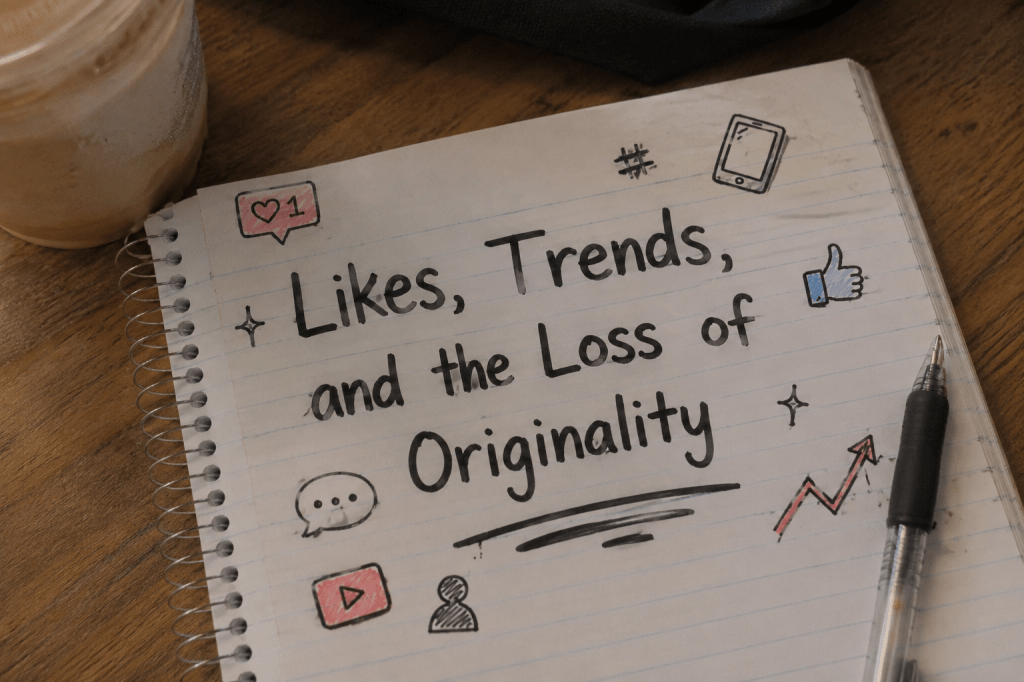
I caught myself scrolling for an hour only to realize I just watched ten different brands do the exact same dance to the exact same trending audio.
Social media has fundamentally changed how we interact with the world around us. It’s no longer just about keeping up with friends, but has become a global stage for how we consume news, engage with politics, and especially how businesses communicate with consumers.
Keith Quesenberry points out in his research, Social Media Strategy: Marketing and Advertising in the Consumer Revolution, that the biggest shift is how these platforms allow consumers and businesses to connect on a much deeper level. We, as a society, are no longer limited to static billboards or regional television commercials. Instead, we are able to engage with content globally through short form videos that are relatable, humorous, or educational.
The Duolingo owl is probably one of the best examples of this transformation as it started as a simple language learning app and became a massive internet meme. Their content does not feel like a traditional advertisement, but instead genuine and entertaining, which naturally encourages community building through comments, direct messages, and engagement. However, there is a significant downside to this constant connectivity:
The internet moves fast, and the pressure to keep up is relentless.
Cancel culture means a brand’s reputation can collapse overnight because of a single poorly worded post. Then there’s the trap of following trends. When specific audio clips and visual formats go viral, brands feel compelled to recreate them to stay relevant. However, the problem with this is that when everyone copies the same trend, brands begin to feel identical. It may be entertaining the first couple of times, but by the tenth video, it becomes repetitive. Brands end up churning out content at an unsustainable pace just to remain visible, and in doing so, they lose sight of what actually matters:
Connecting meaningfully with their audience.
Looking toward the next decade, the platforms that thrive will likely be the ones that prioritize genuine advocacy and authentic community over fleeting trends. Social media is already driving important educational discussions through hashtags, and that impact will only continue to grow.
Technology will continue to advance, but the human need for real connection will not change. The brands that succeed moving forward will be the ones brave enough to stop chasing viral trends and start original conversations.
 DEAR SERIF
Leave a comment